
Strapping
Battery strapping tool supply and support from Whittaker Packaging Solutions
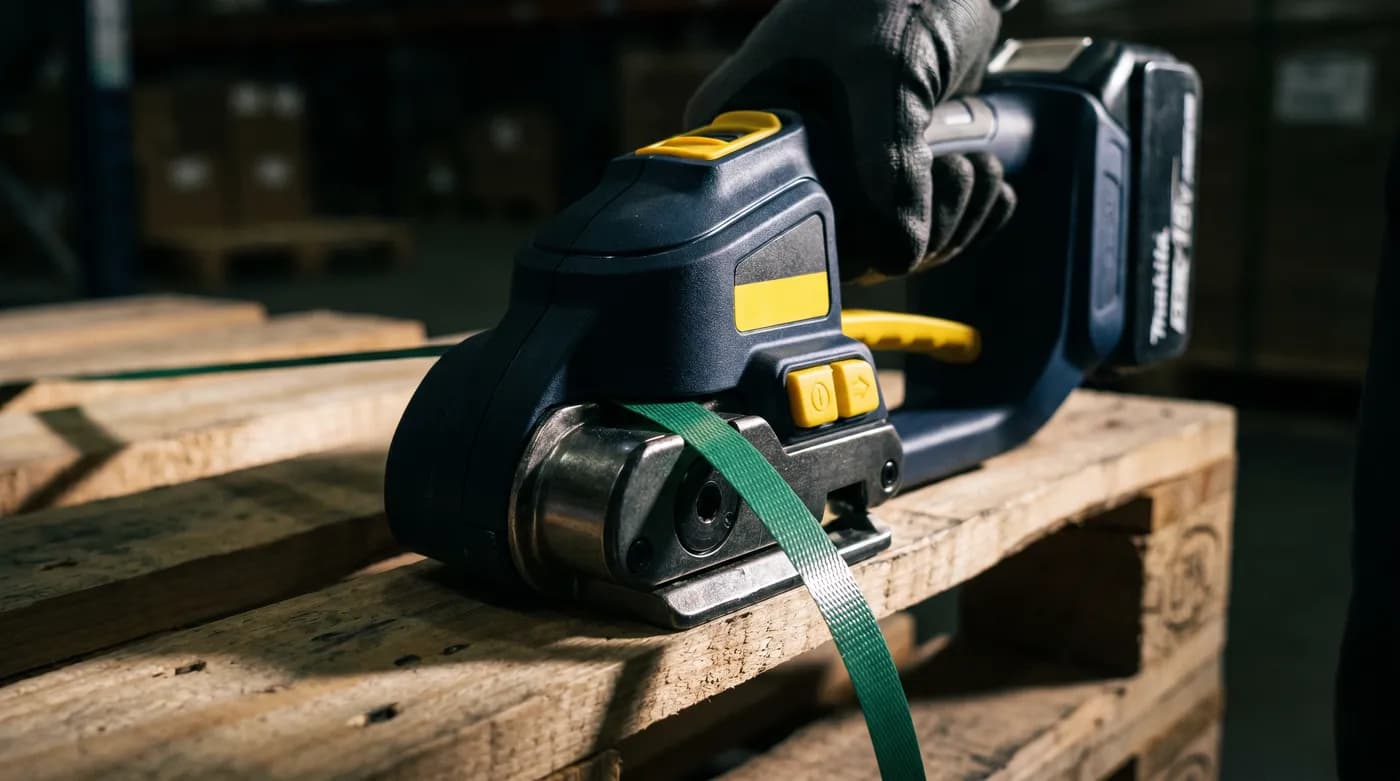
A good battery strapping tool changes what one operator can get through in a shift. Whittaker Packaging Solutions supplies cordless battery strapping tools built for daily Australian warehouse use, with the parts, service and operator training to keep them running.
Get in touch
Request a quote
Tell us what you are strapping and your daily volume, and the WPS team will match the right machine and come back to you within 24-48 hours during business hours.
Send us your details
Tell us about your application and we'll come back to you with a useful steer.
The range
Battery strapping tools we supply
Cordless PP/PET and heavy-duty PET tools, each supplied with two batteries and a charger. Send us your strap width, daily volume and load type and we'll match the right tool.
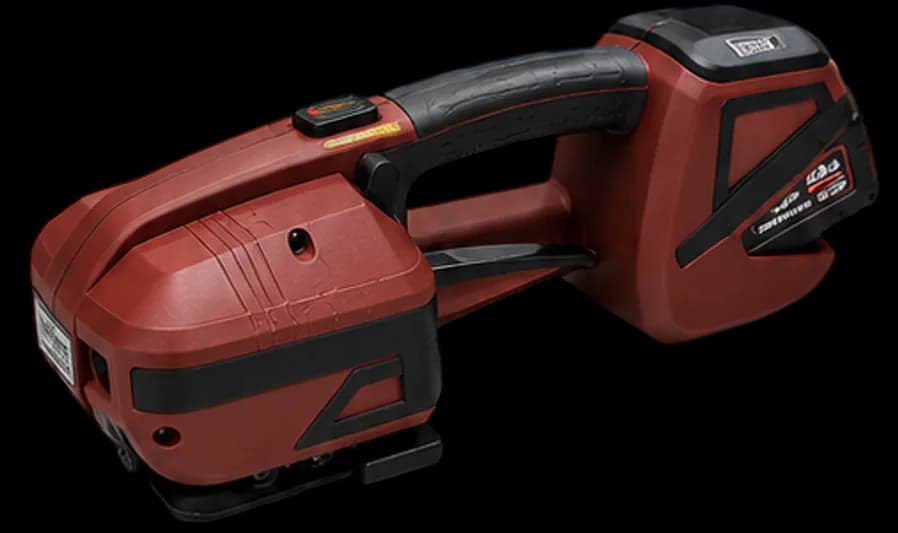
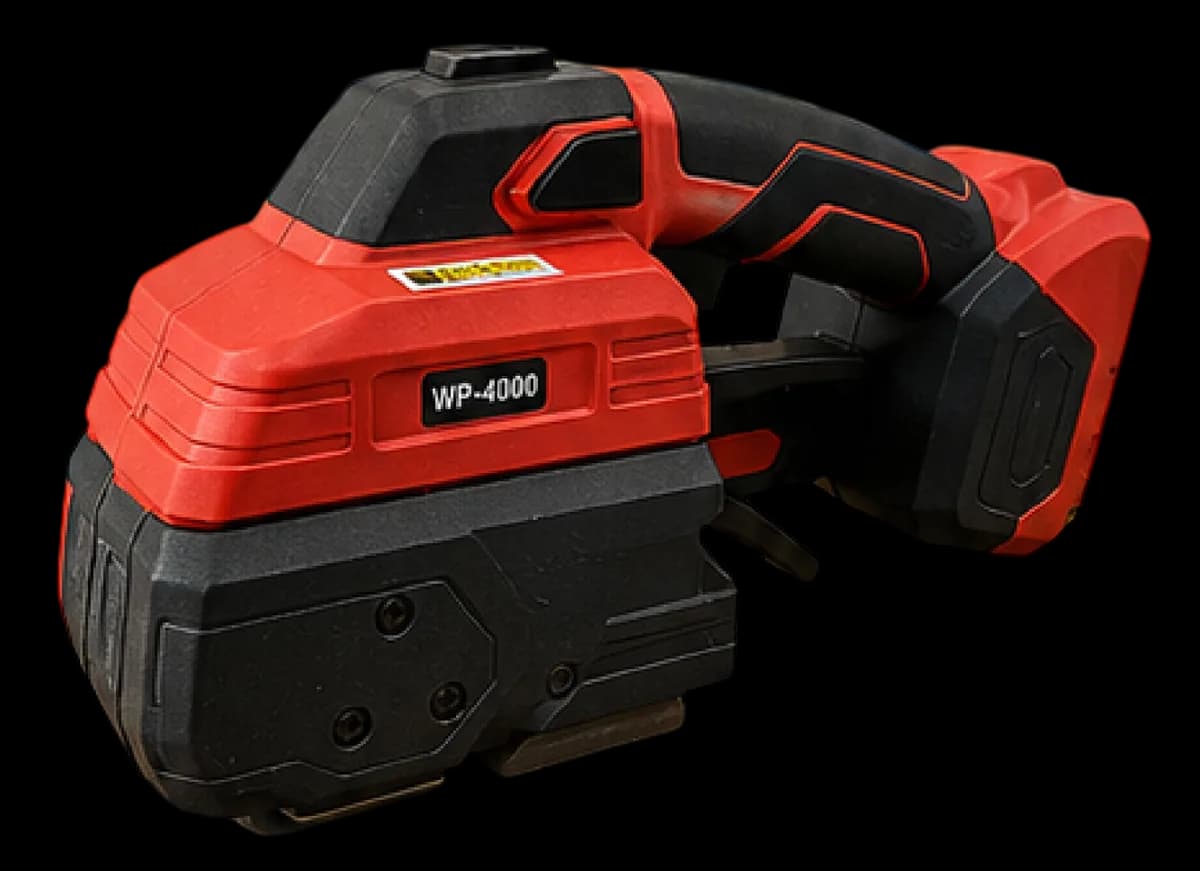
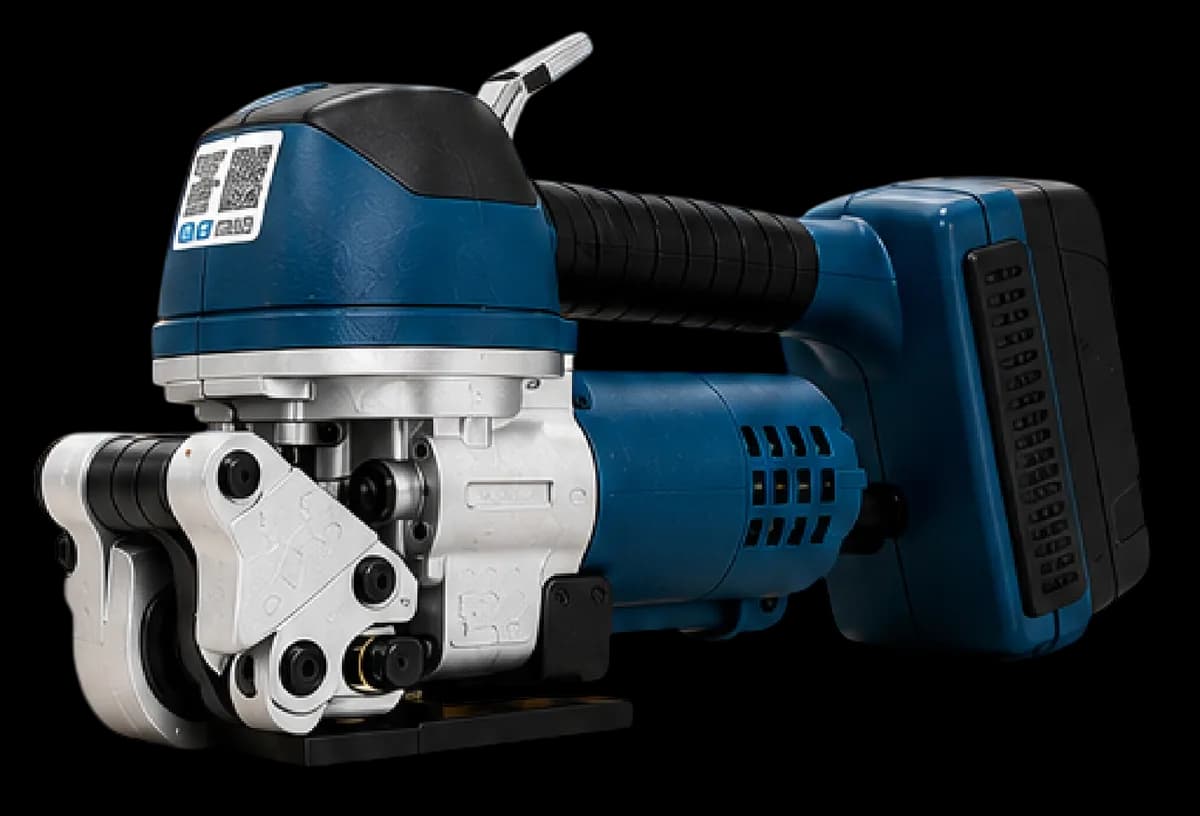
WPS focuses on tools one person can pick up, run all day, and put back on charge without thinking about it. No air lines, no tangled hoses, consistent tension on every strap whether the operator's been on the floor one hour or eight.
Why WPS
Why source your battery strapping tool from Whittaker Packaging Solutions
Battery strapping tools look similar across brochures. The difference shows up six months in, when batteries fade, jaws wear, or a feed wheel needs replacing.
We hold a working stock of spares for the tools we sell and swap parts quickly rather than send a tool overseas for a fortnight. That matters when a strapper sits in the middle of a despatch line.
We also keep the recommendation honest. If a semi-automatic strapping machine suits your throughput better, we'll say so. The battery strapping tool is right for a lot of operators, not all of them, and we'd rather sell the right tool than the more profitable one.
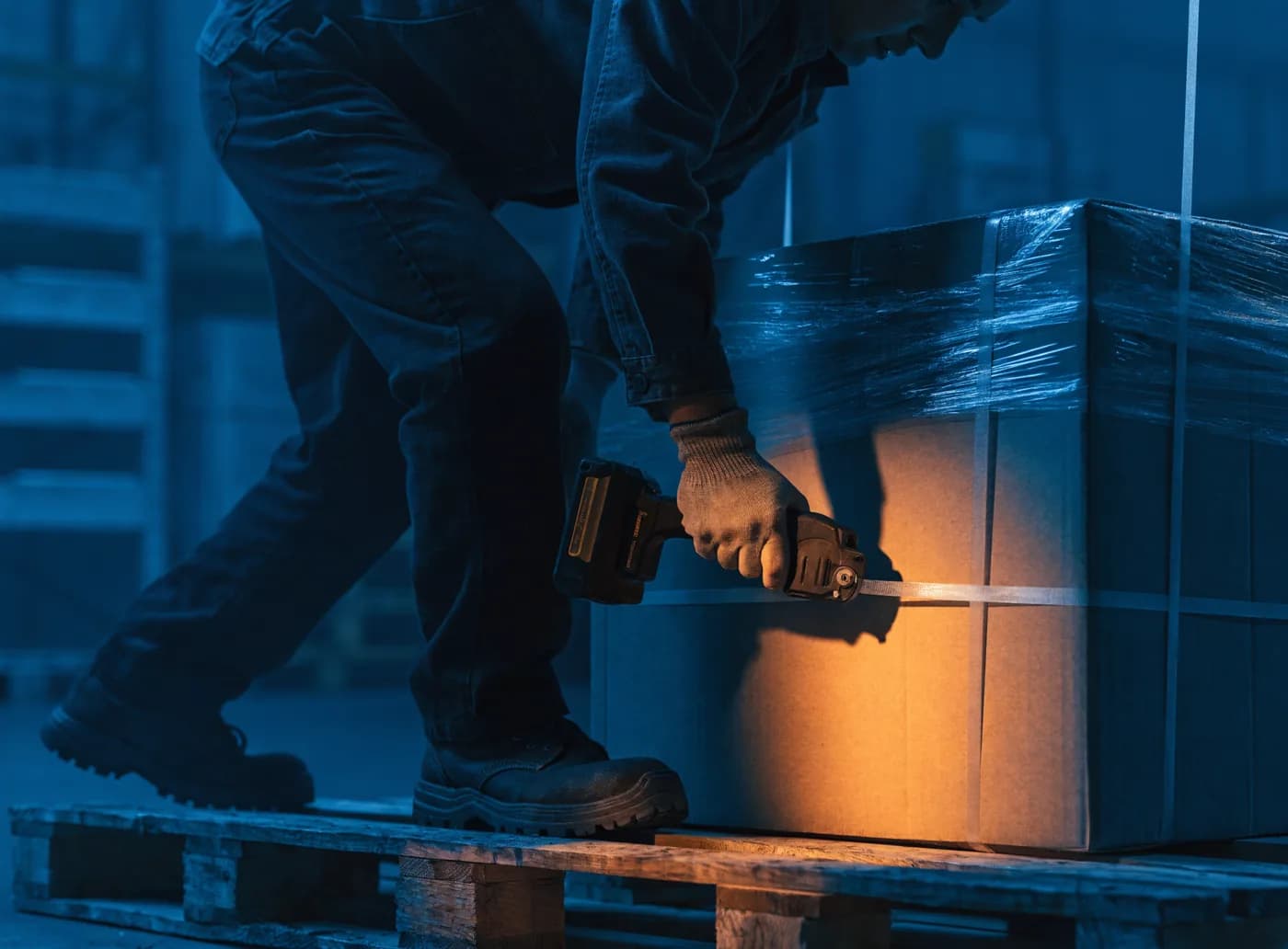
Battery vs pneumatic strapping tools
It comes up on almost every quote. Both tension and seal a strap. The day-to-day experience is very different.
Battery strapping tools are one-hand, untethered and quiet. The operator walks to the load, straps it, and moves on. No air line to drag, no compressor noise, no draw on plant air at peak times.
Pneumatic tools are still common where compressed air is plentiful and the operator works at a fixed station. They tend to be lighter in the hand, but the tether is the trade-off. Modern lithium-ion battery tools have closed most of the weight gap, and battery cycle times are now competitive with air for PET and PP strap up to 19mm.
If you've got mobile despatch, multiple wrap stations, or operators moving between pallets, the battery strapping tool usually wins. If everything happens at one bench beside a compressor, pneumatic is still a fair option.
How a battery strapping tool works
The operator feeds the strap around the load, inserts the loose end into the tool, and presses the trigger. The tool tensions to the set load, seals the overlap with a friction weld, and cuts the tail. Cycle time is usually two to four seconds.
Features that matter when choosing one
Tension range.
Most battery tools cover 400N to 3000N+. Cartons need lighter tension. Heavy pallet loads, timber, steel coils need more.
Strap compatibility.
Confirm width (typically 9mm to 19mm) and material (PET, PP, or both).
Seal type.
Friction weld is standard on battery tools. Strong, consistent, no consumable seals to buy.
Battery platform.
Spare batteries on the same platform mean continuous running across a shift.
Weight and balance.
Pick the tool up before you buy. A 3.8kg tool feels very different to a 4.6kg tool by smoko.
Choosing the right battery strapping tool for your operation
The right tool depends on what you're strapping, how often, and who's strapping it. A few things we ask before recommending:
Daily strap count and peak shift volume
Strap material and width currently in use (or what you want to move to)
Load type: cartons, pallets, bundles, coils, timber, steel
Tension currently being applied (or whether consistency is the real issue)
Operator profile: one full-time strapper, or shared across a team
With that, we can match the WPS battery strapping tool range to your application without guesswork. Not sure of the answers? Send a photo of a typical load and we'll work it out.
Service and parts coverage
WPS provides full service and breakdown support across South East Queensland, Toowoomba and Melbourne. Typical breakdown response is 24-48 hours during business hours, especially in our key service hubs.
For Northern NSW and Regional QLD (Roma and Bundaberg), we supply tools and parts and run scheduled service visits. Ad-hoc breakdown attendance is available where feasible.
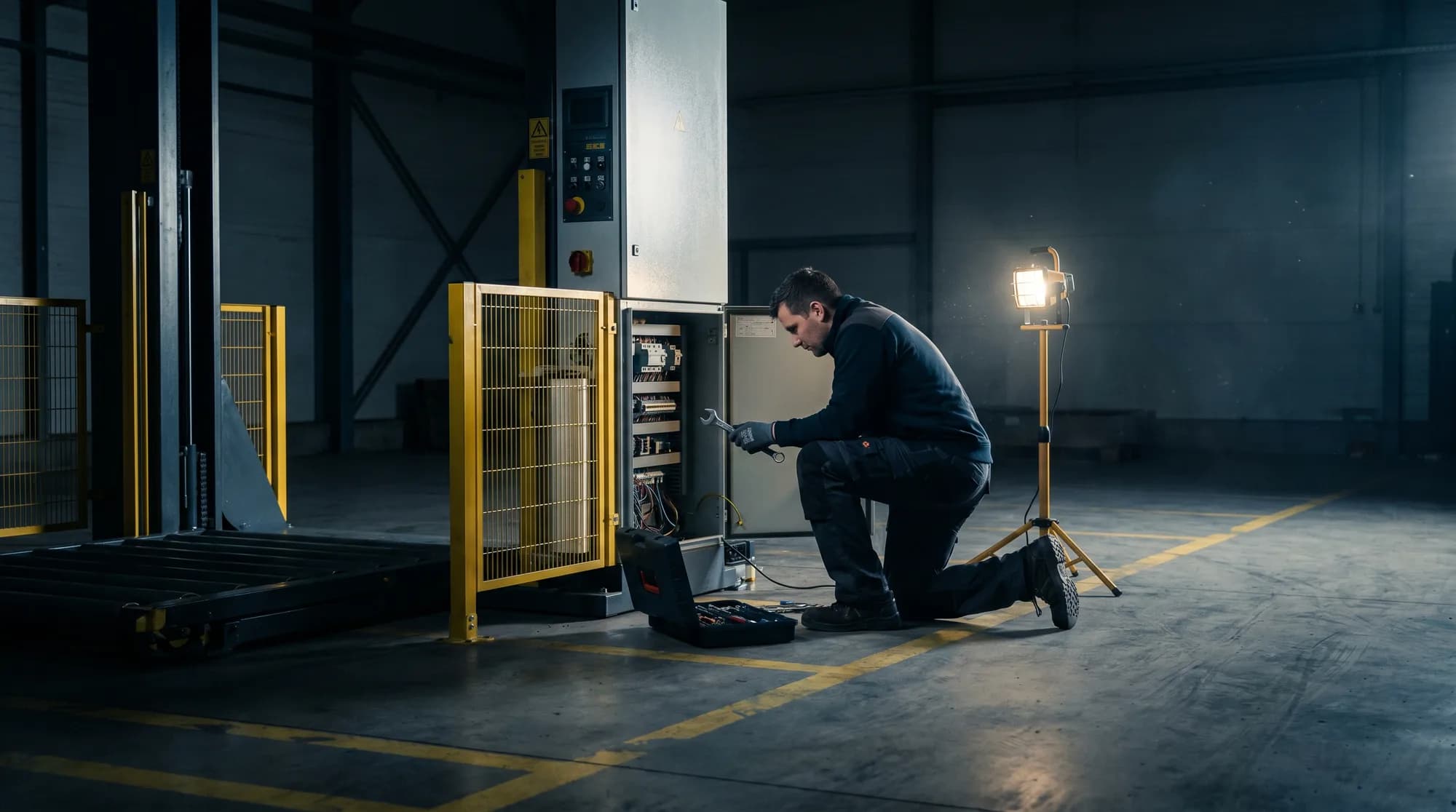
Spares we keep moving on common tools include batteries, chargers, feed wheels, sealing dies, tensioning rollers and trigger assemblies. Most repairs are done in-house at our SEQ workshop.
Request a spec sheet
Send us your strap width, daily volume and load type and we'll send back the right WPS battery strapping tool spec sheet, with sample tension settings for your application. No pressure, no auto-quote. If you'd rather talk it through first, ask for a free phone consultation. Five minutes on the phone often saves a week of brochure-reading.
FAQs
Common questions
A battery strapping tool is a handheld, cordless device that tensions, seals and cuts plastic strap around a load. The WPS battery strapping tool range covers PET and PP strap from 9mm to 19mm and is used across logistics, manufacturing, timber, steel and FMCG operations.