
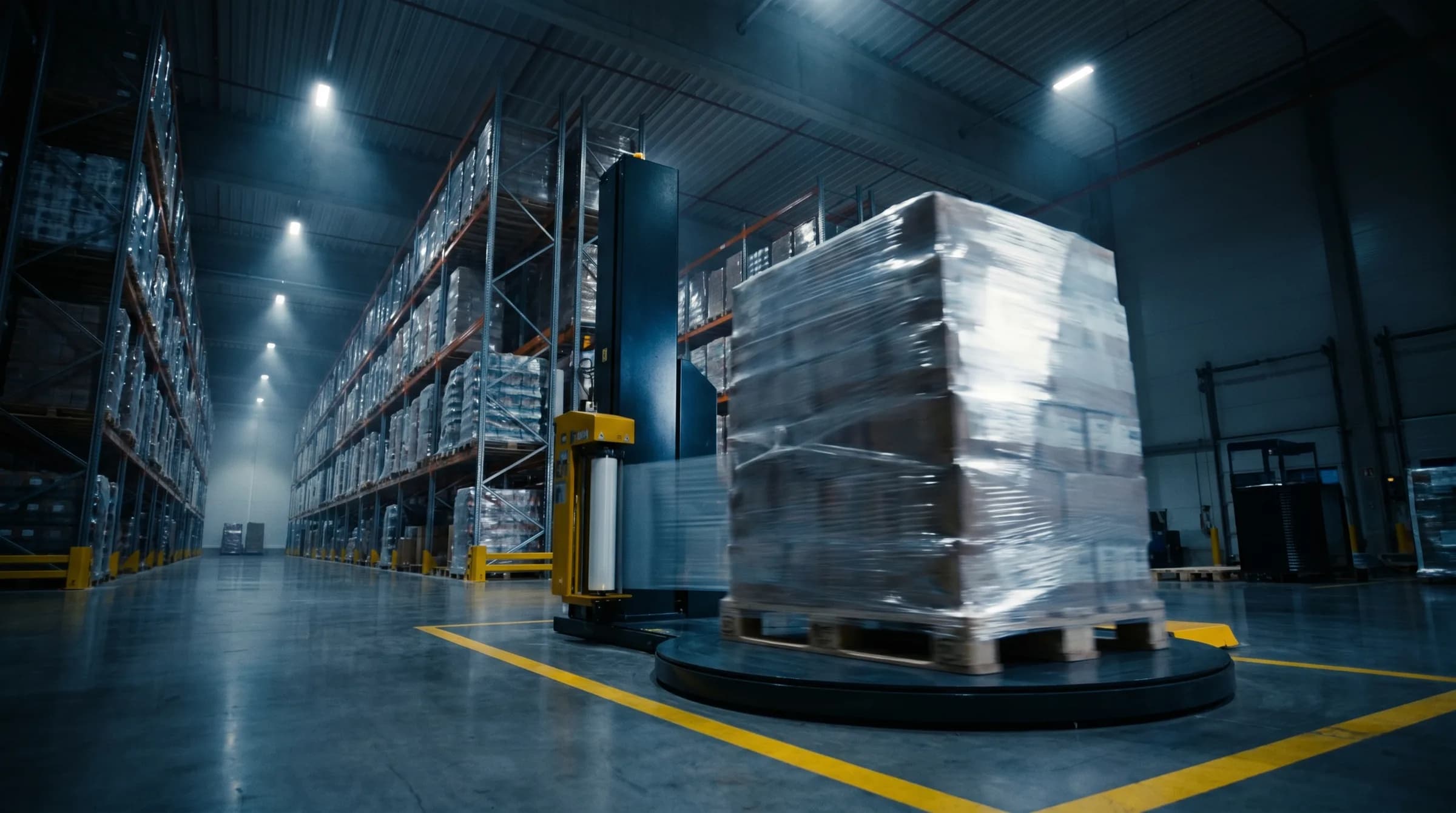
Case studies
Packaging machinery case studies
Looking for packaging machinery case studies showing how a pallet wrapper or strapping line was specified, installed and supported? Whittaker Packaging Solutions is building a detailed case study library, and this page is the index it will live on.
We want to do case studies properly: real customers, real numbers, and explicit permission to publish names and figures.
For now, this page describes the work the WPS team has supported across our customer base, by sector. Detailed case studies with named customers will appear here once we've worked through customer approvals.
Our approach
Why we publish case studies carefully
The market is full of case studies that say nothing. Stock photos, generic quotes, vague "increased efficiency" claims. Our intent is the opposite.
Approximately 70 years of combined experience inside the WPS team gives us a deep bench of installations and service stories to draw from. We're working through permissions, name approvals and verified figures so the library we publish here stands up.
When a case study goes live on this page, you can take the customer name and the figures to the bank.

Sectors where Whittaker Packaging Solutions has supported customers
The WPS team works across a wide spread of Australian operators. Sectors we've supported include:
Logistics and third-party warehousing
Outbound pallet operations, mixed product profiles, tight dispatch windows. Wrapper sizing and load-stability tuning is critical. Strapping and carton handling sits alongside.
FMCG manufacturing
Production-led environments running consistent pallet profiles at significant volume. Power pre-stretch wrappers, automatic strapping lines and carton sealing typically feature.
Food production
Cold-chain considerations, hygiene requirements, mixed pallet weights. Machines need to be specified for the environment, not only the throughput.
Fresh produce, meat and seafood
Wet and cold conditions, variable pallet stability, demanding outbound timing. Machine selection and operator training matter equally.
Bakery and beverage
Light loads, awkward pallet shapes, often multi-shift operations. The right wrapper saves film and time on every cycle.
Pharmaceutical and cosmetics
Carton handling, tamper-evident outbound, water-activated tape and structured strapping requirements.
Industrial goods and hardware
Heavier loads, mixed pallet configurations, often more demanding strapping requirements (PET or heavy-duty).
E-commerce fulfilment
High carton volume, sealing and erecting throughput, outbound timing pressure.
Agriculture and farms
On-site or near-site packing operations, often outdoor or shed environments. Machines need to handle dust, weather and variable operators.
Production facilities and general warehousing
Mixed setups where the right answer is often a single semi-automatic wrapper plus a battery strapping tool, properly chosen.
The story we'll be telling in published case studies
When the case study library goes live, each entry will follow a structured format:
The customer
industry, scale, location (with permission)
The situation
throughput, existing equipment, what wasn't working
The validation
what application questions the WPS team worked through, what we found on site
The recommendation
machine specified, reasoning behind the choice
The install
delivery, installation, commissioning, operator training
The outcome
cost per pallet, film usage, downtime, time saved, verified by the customer
Backup support
what's happened post-install, how breakdowns or service have been handled
That's the level of detail we want every published case study to carry.
What we won't publish
We won't publish case studies without customer permission. We won't publish ROI figures, plastic-savings numbers or services-completed counts that haven't been verified.
We also won't publish supplier or manufacturer-side stories dressed up as customer case studies. If it's our story, we'll say so.
Talk to the Whittaker Packaging Solutions team
If you're sizing up a new machine, a service contract or a full line upgrade, the most useful step isn't reading someone else's case study. It's talking to us about your line. Send us your current setup and we'll review it. Tell us what you're packing, your throughput, what equipment you've got and where the pain points are. The WPS team will come back with an honest read on what could change and the realistic upside for your operation.
FAQs
Common questions
We're working through customer permissions and verifying figures before we publish. The market has enough vague case studies. We'd rather publish fewer, more specific stories with real customer names and verified numbers.